sv
en
Menu
Contact us

sv
en

Cans come in many shapes, sizes and materials. This affects how the product needs to be transported, guided and held in place to ensure the label is correctly applied. When labelling on multiple sides, the steps also need to be coordinated so that the can maintains the correct position throughout the flow.

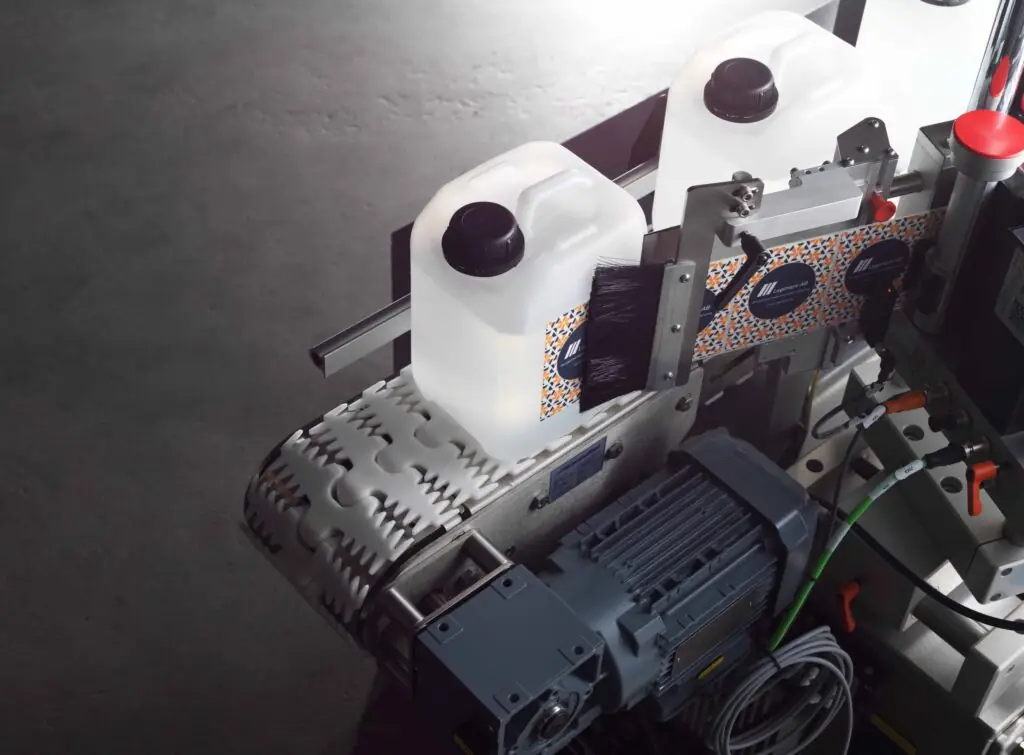

Simply put, the machine guides the can into the correct position, holds it stable and applies one or more labels. How the solution is built depends on the shape and size of the can, where the labels will be placed and what your production looks like. If multiple sides are to be labeled, the machine can have multiple applicators and also turn the can between steps. Top holders and product guidance then help the can maintain the correct position all the way.
Yes, it is possible to label cans automatically on both two and four sides. With four-sided labeling, the long sides can be labeled first. The can is then rotated 90 degrees so that the short sides can also be labeled. The exact flow is adapted to the shape of the can, the label placements and your production. This way, several labeling steps can be combined in the same machine, without the can having to be moved manually between different stations.
Yes, a custom-built labeling machine can be adapted to multiple can sizes and formats. For example, we have built a solution for rectangular cans of 20 and 25 liters, with graduated settings that make the changeovers repeatable. There are also machines that handle both bottles and cans. Which formats can be combined depends on, among other things, the dimensions of the products, shape, label placement and how they need to be guided through the machine.
It starts with the can being held stable throughout the labelling process. Product guidance and a top holder help it maintain the correct position, while a roller or brush applies the label evenly. If the can is to be labelled in several stages, the transport and turning also need to be coordinated so that the orientation does not change. If necessary, the labelling can be supplemented with vision control, i.e. a camera control that checks the label placement and quality.
Yes, it is possible. The solution is then adapted to the can formats, label placement and how the products already move through your production. The machine can combine several steps, such as separation, transport, double-sided or four-sided labeling, turning and inspection. To achieve a well-functioning flow, you also need to take into account the available space, the path of the can through the line and the transitions between the machine and the other equipment.
Cans come in many shapes, sizes and materials. This affects how the product needs to be transported, guided and held in place to ensure the label is correctly applied. When labelling on multiple sides, the steps also need to be coordinated so that the can maintains the correct position throughout the flow.
The solution is designed according to the can format, label placement and production workflow. This can involve labeling on two or four sides, turning between application steps or handling both bottles and cans in the same machine.
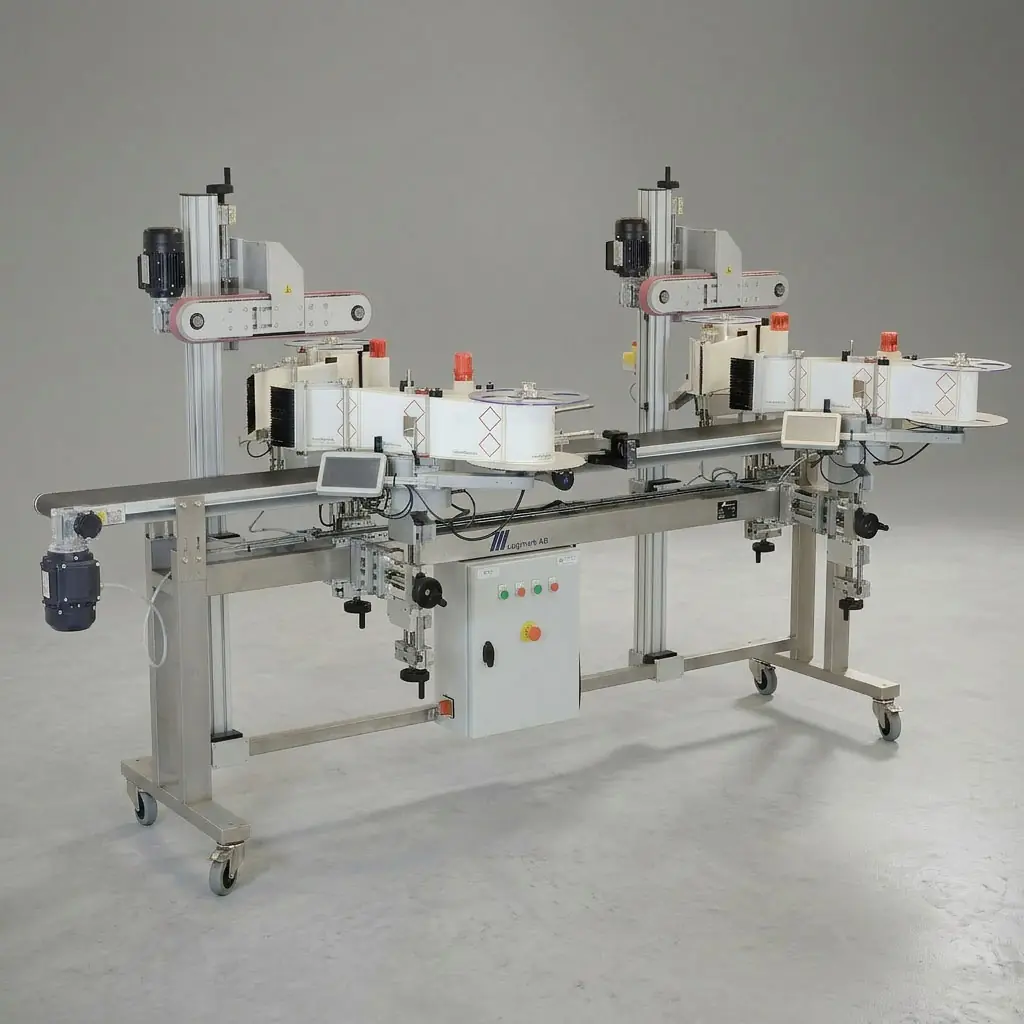
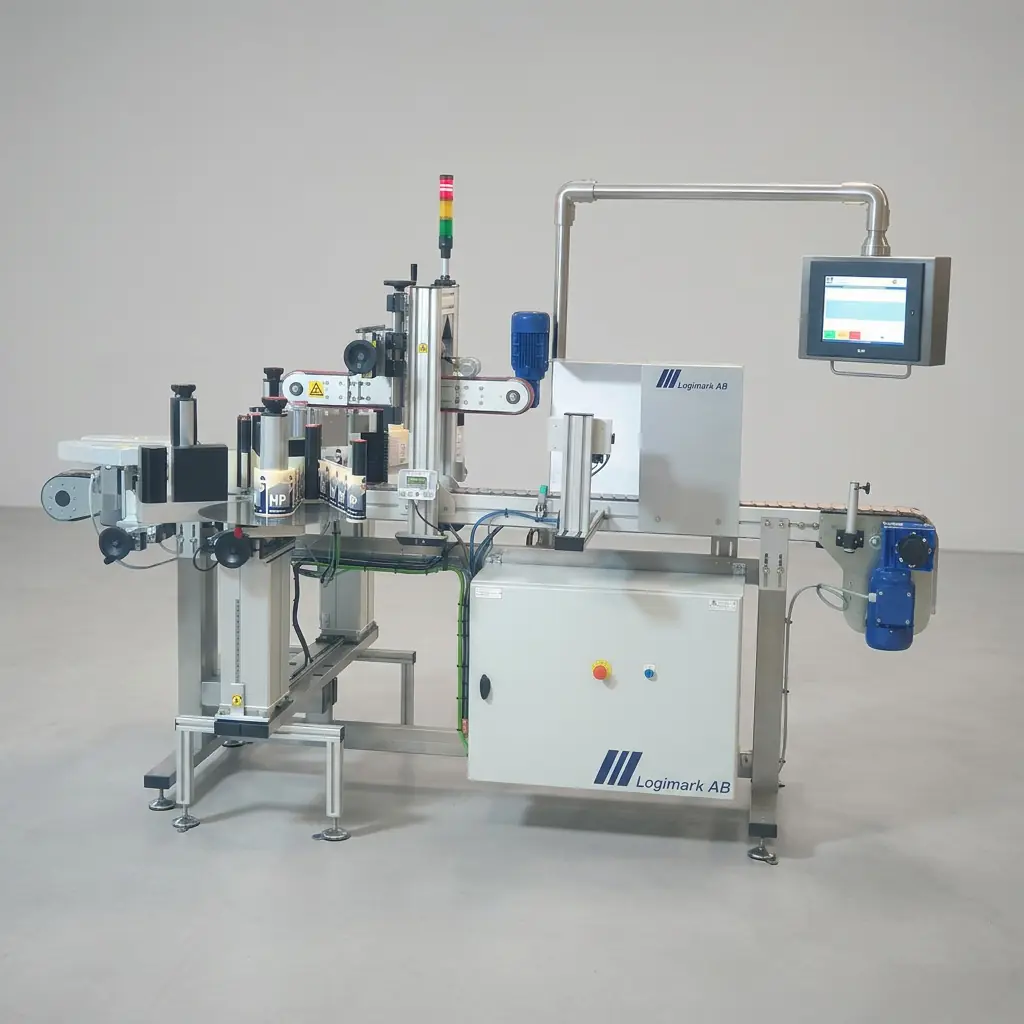
Here you will find examples of special machines for different types of can labeling. What they have in common is that product transport, label application and any control are adapted to the actual labeling task.
Do you want to see how the machine works in your production on your material or product? Book a free Demo We will be happy to show you the machine (or similar machine) in operation and how we can tailor the solution based on your needs.
Fill out the form and we will contact you!
You can also call us directly at + 4610-444 1600.