sv
en
Menu
Contact us

sv
en


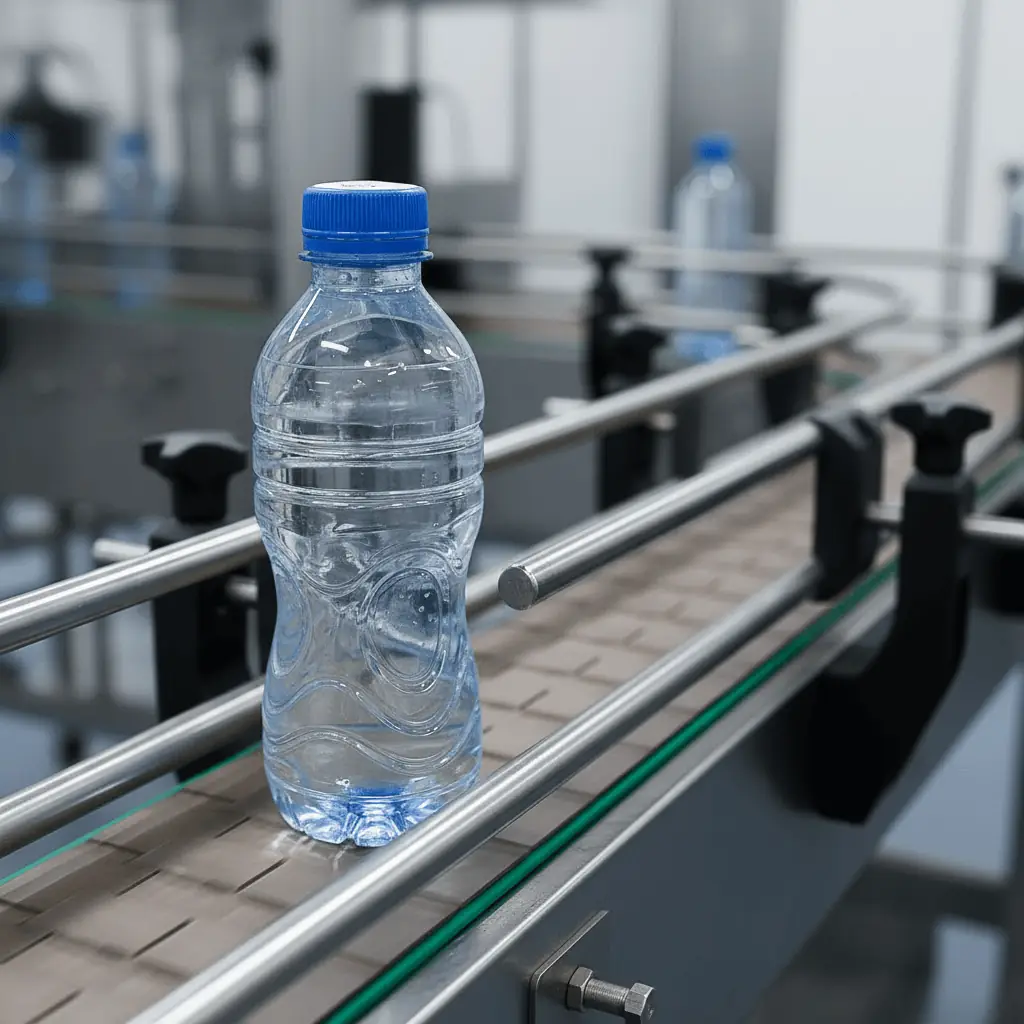
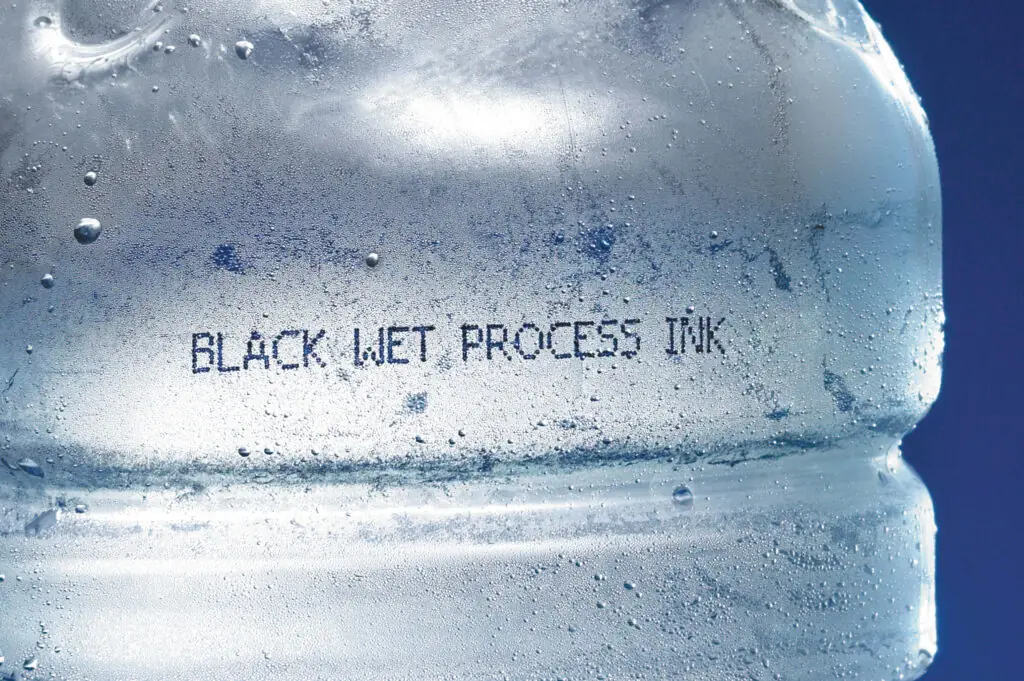
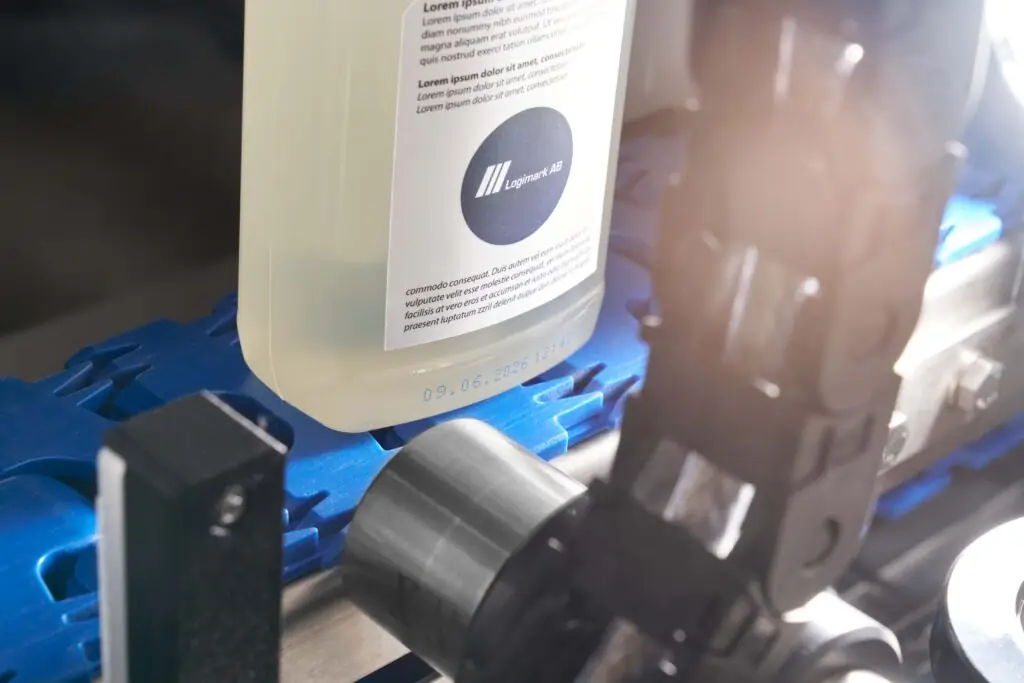
Inkjet printing (CIJ) is the most established technology for variable information on PET bottles and is widely used across the beverage industry. The inkjet printer can print directly on the curved surfaces of the bottle, in different positions (neck, shoulder, bottom) and at high speeds without affecting the production flow.
The choice of ink is absolutely crucial for the result. PET bottles are often exposed to condensation and rapid temperature changes, which makes the surface difficult to mark. The ink used here is quick-drying, has extra strong adhesion and is developed not to smear – even on cold or damp bottles. For dark bottles, pigmented ink can be used for maximum contrast, so that the marking remains clear and legible.
Another advantage is that CIJ is highly adaptable during production changes. The machines can be easily adjusted for different bottle sizes and layouts without stopping the line. This makes the technology cost-effective in productions with many SKUs (unique article numbers).

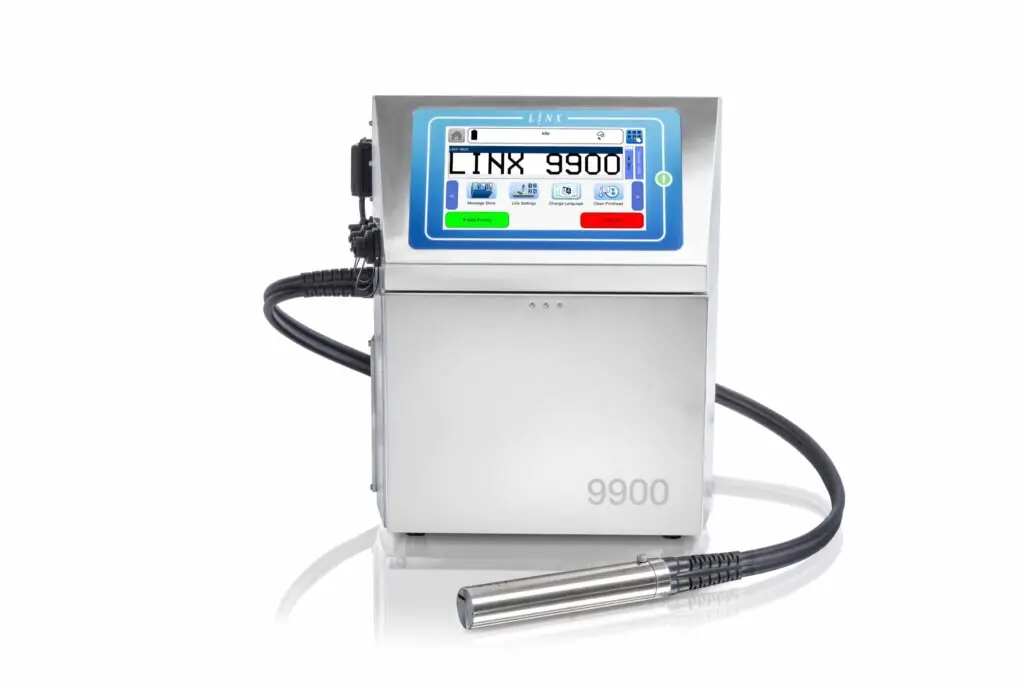
The Linx 9900 series gives you reliable and flexible ink marking with minimal downtime and easy handling – designed to last…
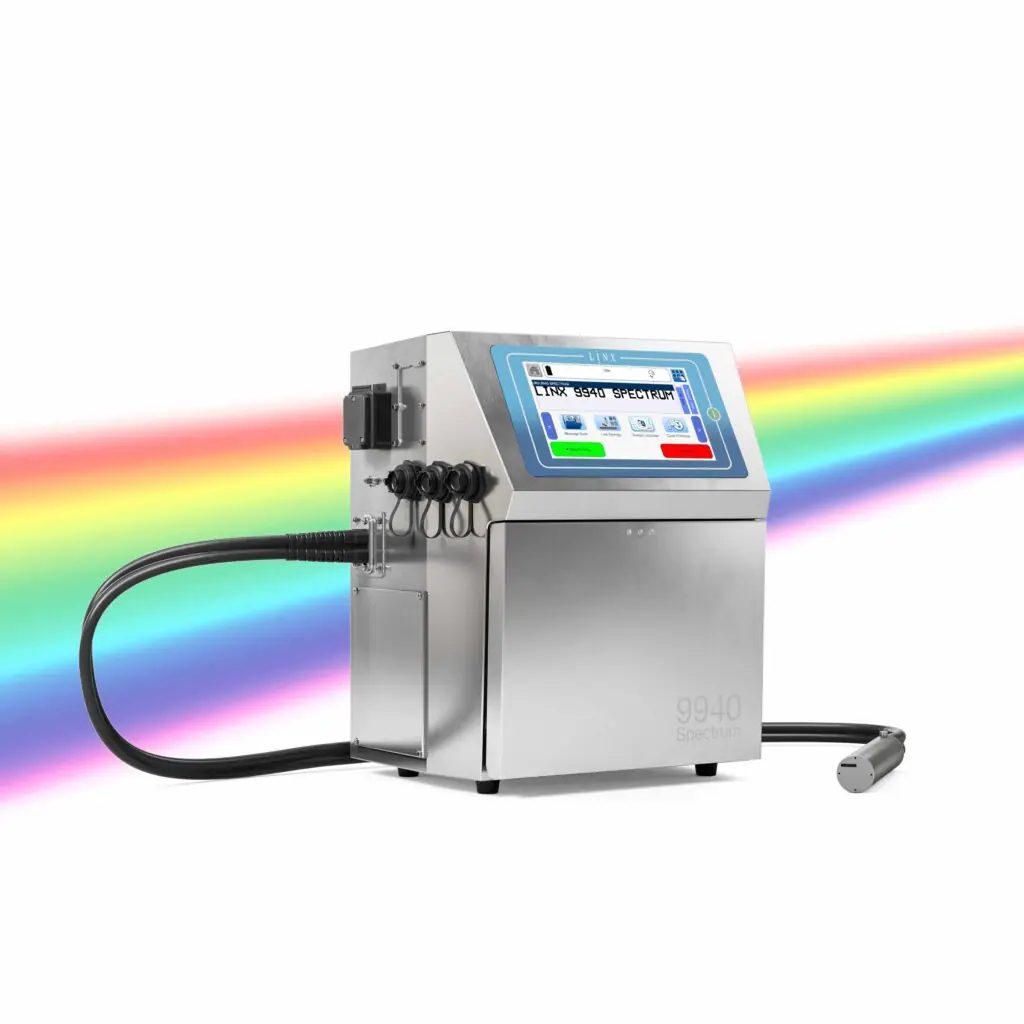
The Linx 9940 Spectrum delivers high-contrast marking at high speeds – with high precision and maximum uptime.
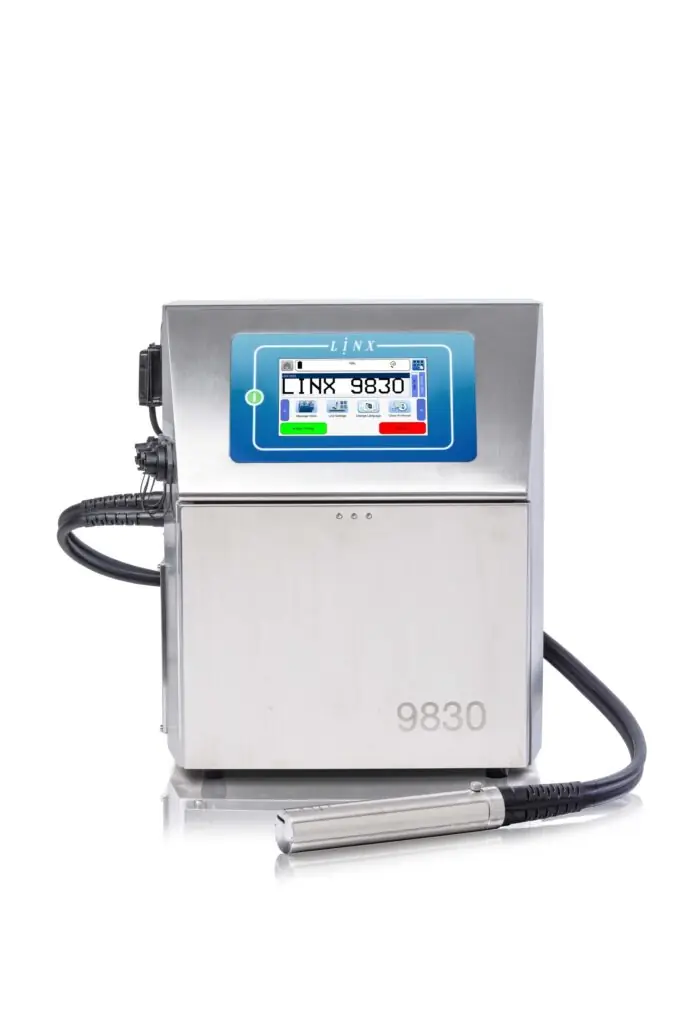
The Linx 9830 offers stable and affordable labeling for everyday production – a smart entry-level model without compromising on quality.
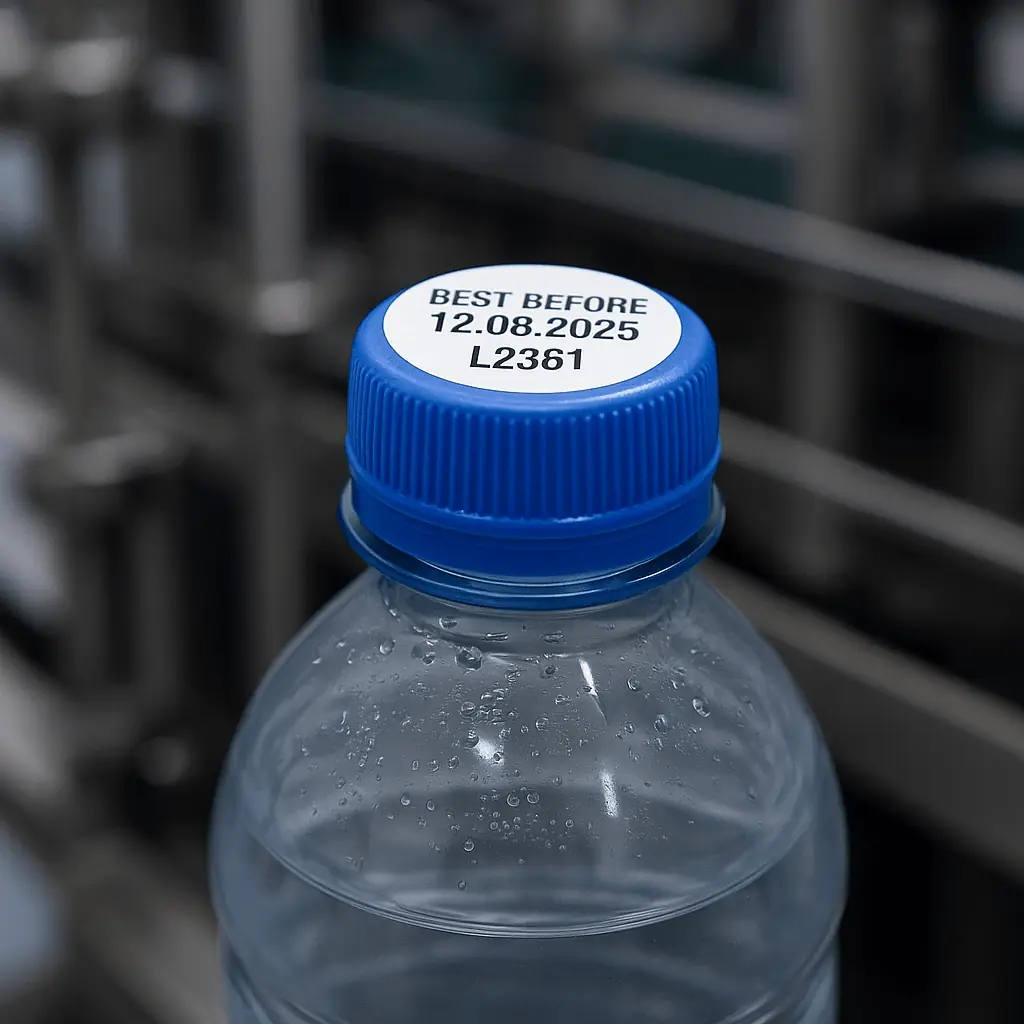
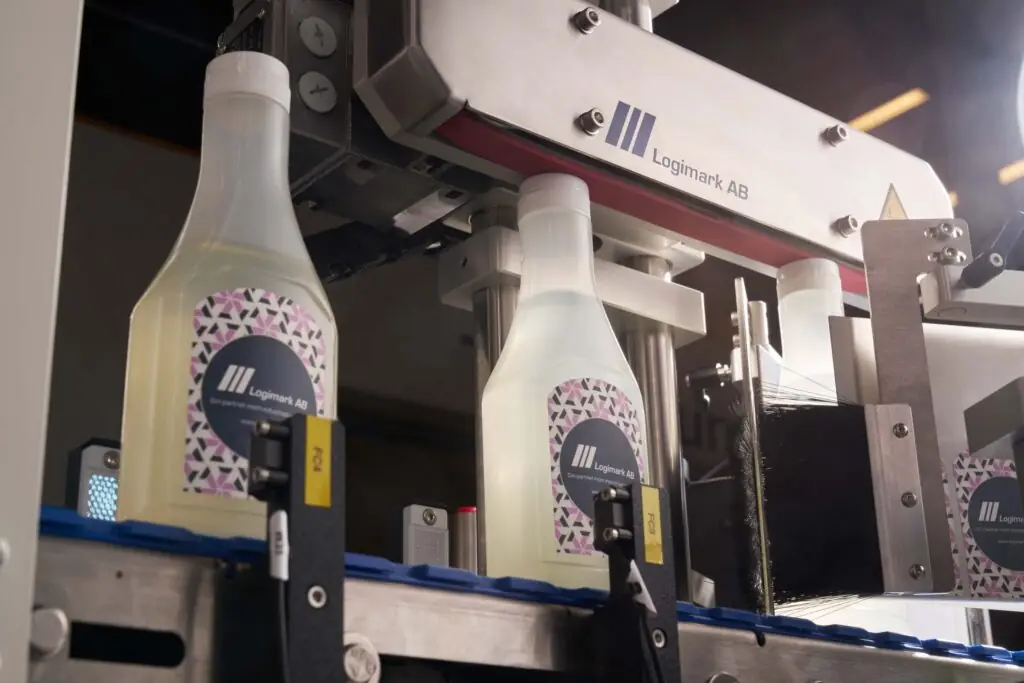
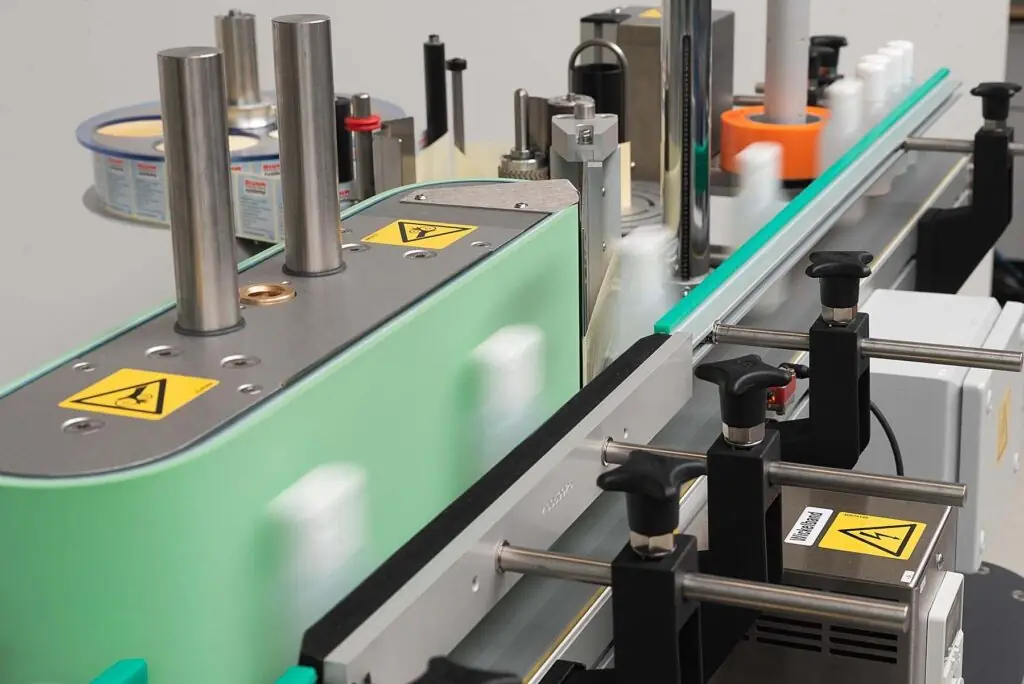
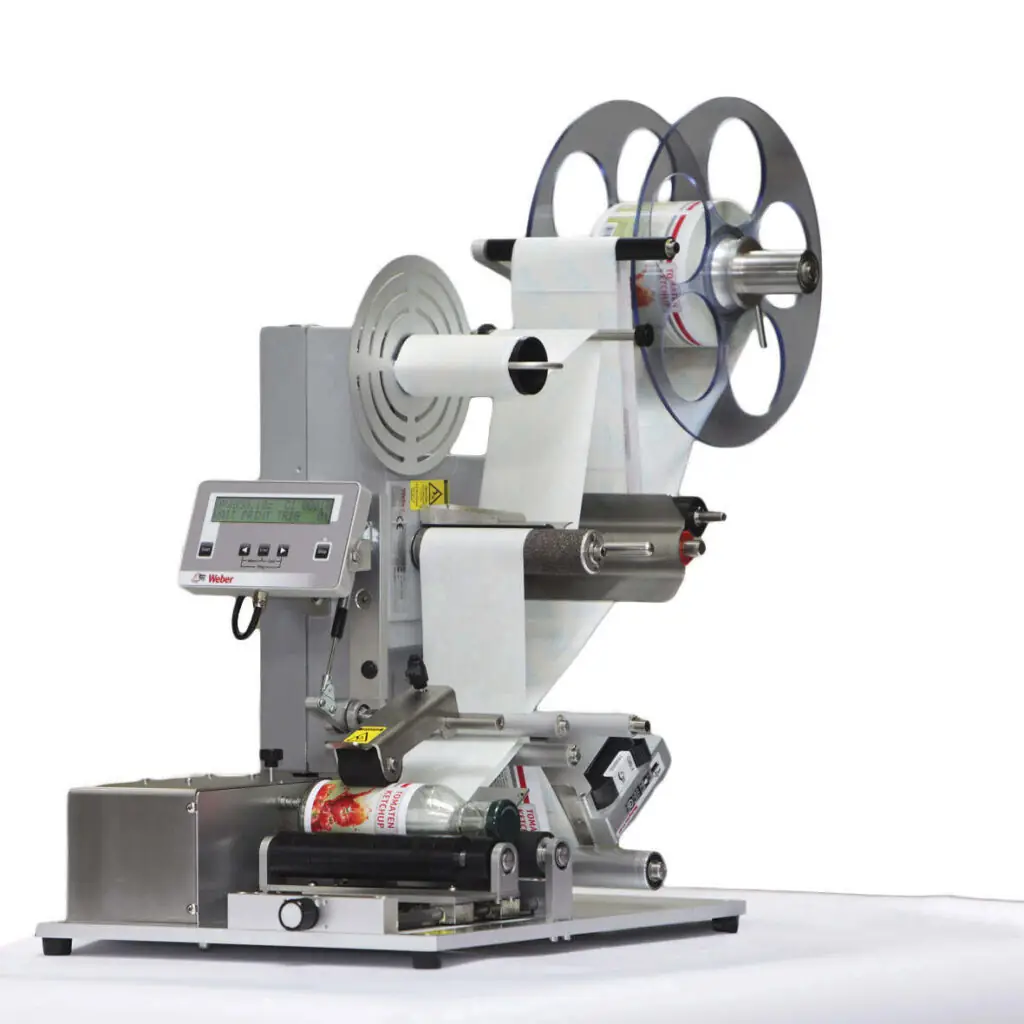
Labeling is the most versatile option for PET bottles as it combines branding and traceability in the same solution. A label can carry both the design that makes the bottle attractive on the store shelf and the necessary information such as batch number, best-before date and barcodes.
There are several different application methods:
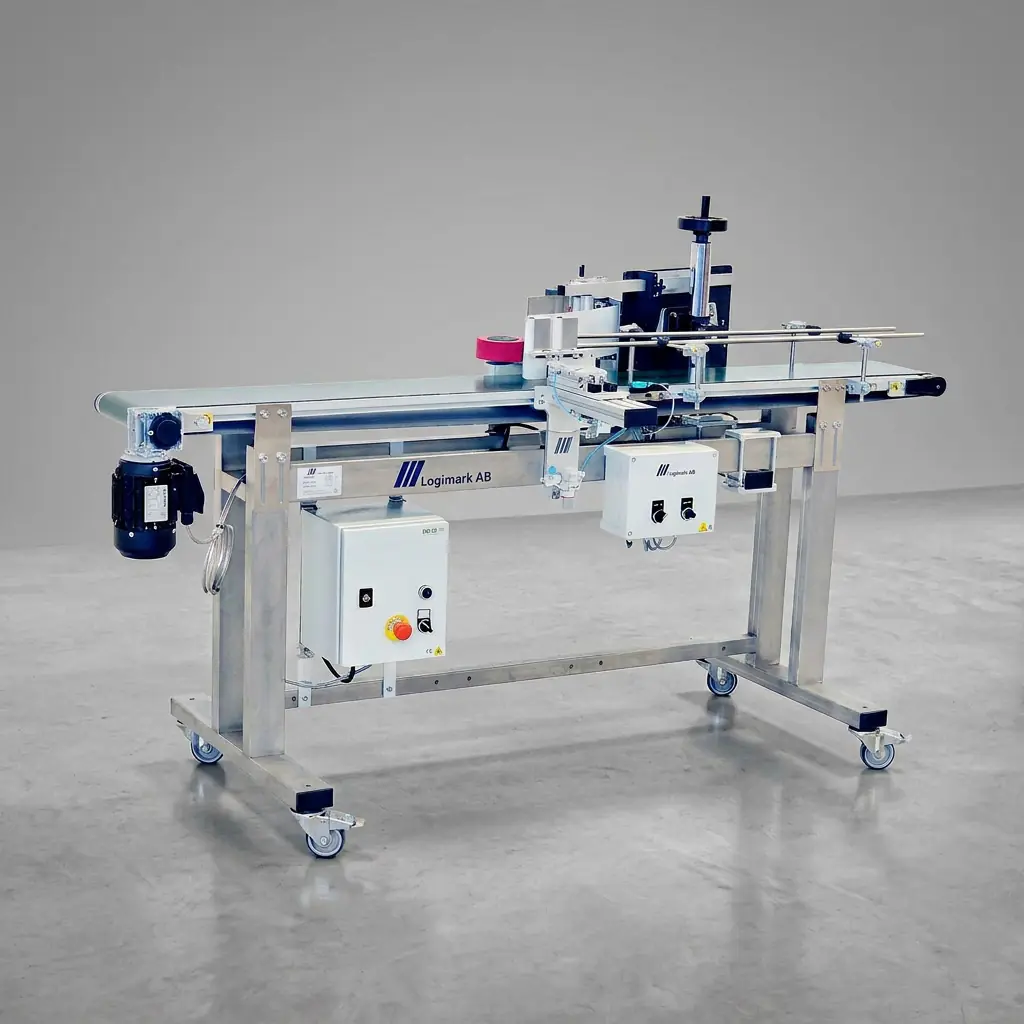
A complete and efficient bottle labeling line, with all the important key features that will boost your production. The core of the solution is…
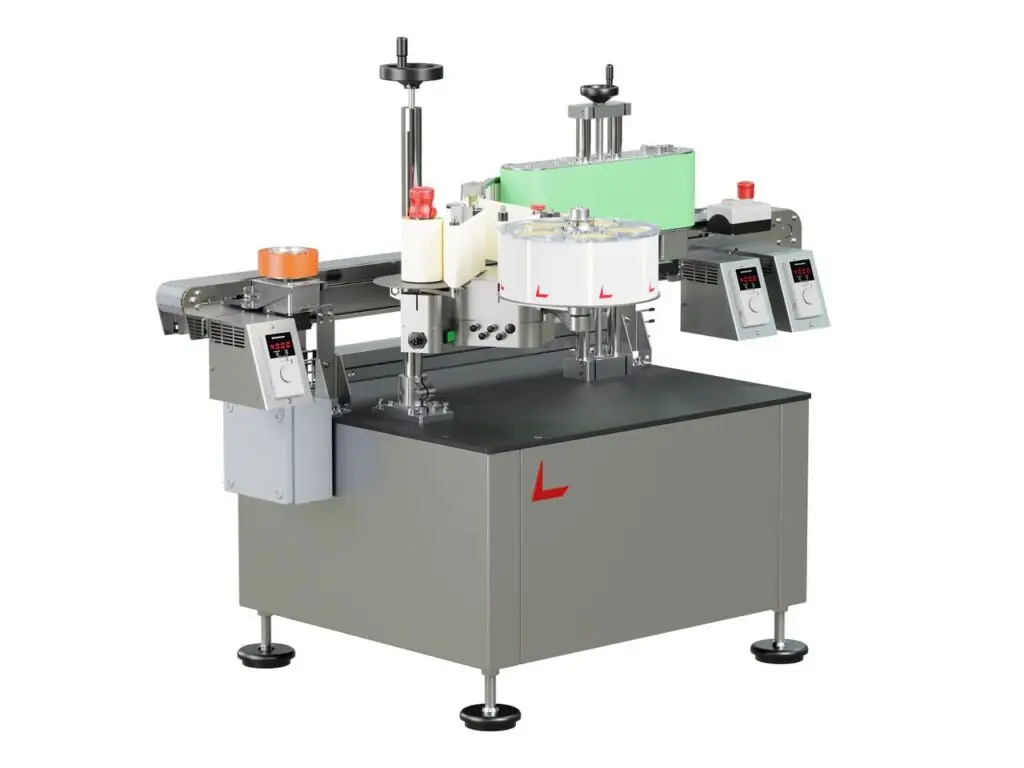
Wrap around labeling for cylindrical products.
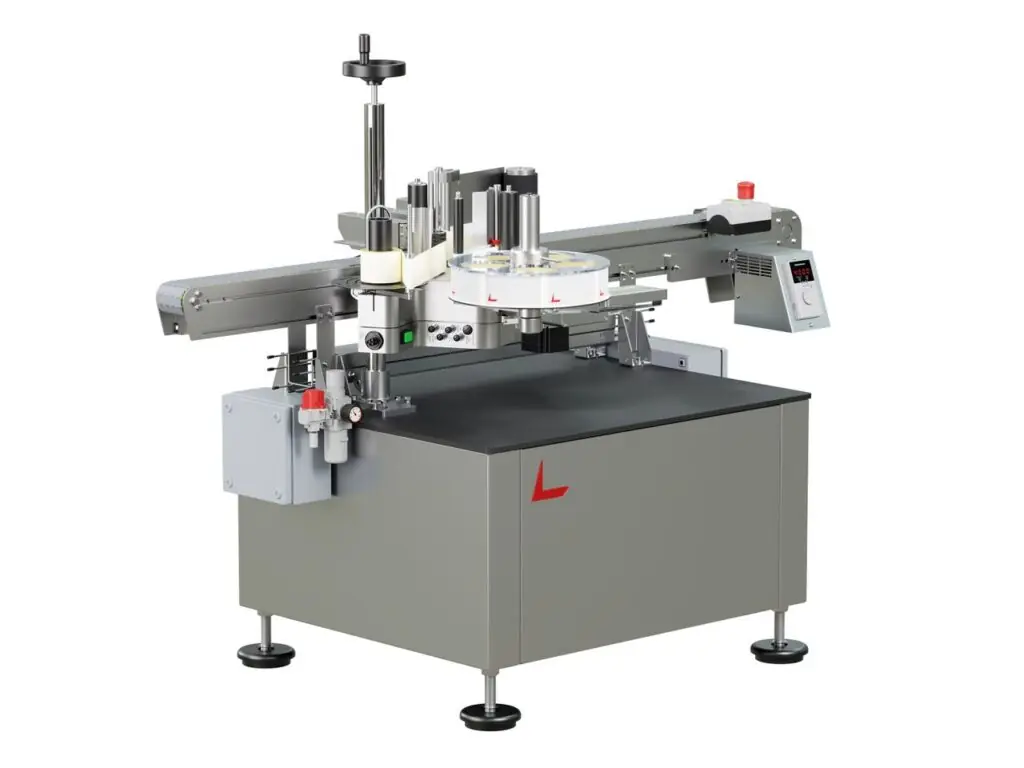
Full-wrap labeling of upright, cylindrical products.
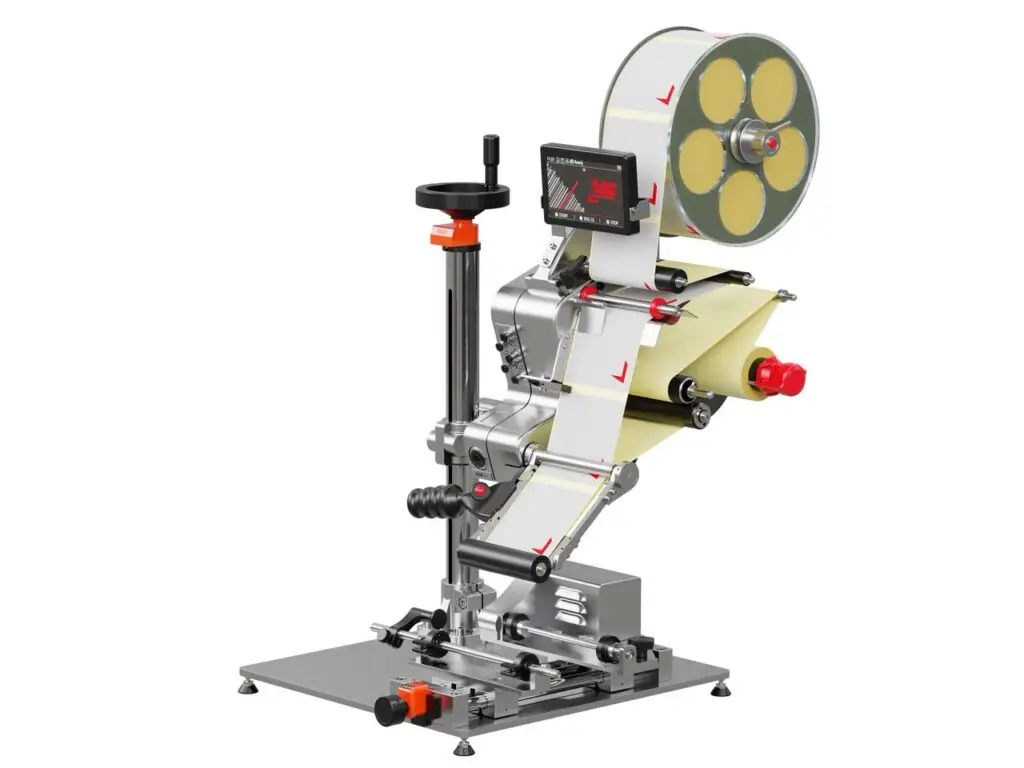
Semi-automatic labeling machine for cylindrical products.


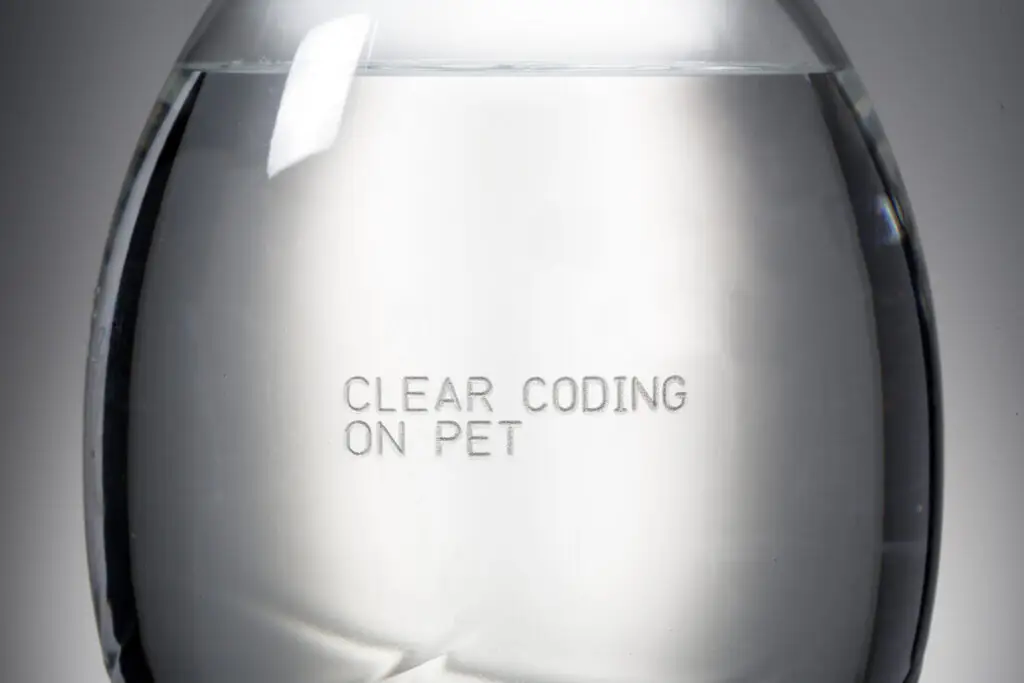
CO₂ lasers are most commonly used on PET bottles. The marking is sharp and durable, making it ideal for batch numbers, best-before dates and traceability codes that must be legible throughout the product's lifecycle.
An important aspect is that PET plastic comes in different varieties – transparent, colored or recycled – and these react differently to lasers. For transparent PET, a CO₂ laser can create a subtle but clear marking by etching the surface, while colored or pigmented PET often provides higher contrast. For producers using recycled PET (rPET), we at Logimark can optimize the laser settings so that the marking remains clear despite variations in the quality of the material.
The advantages of laser are many:
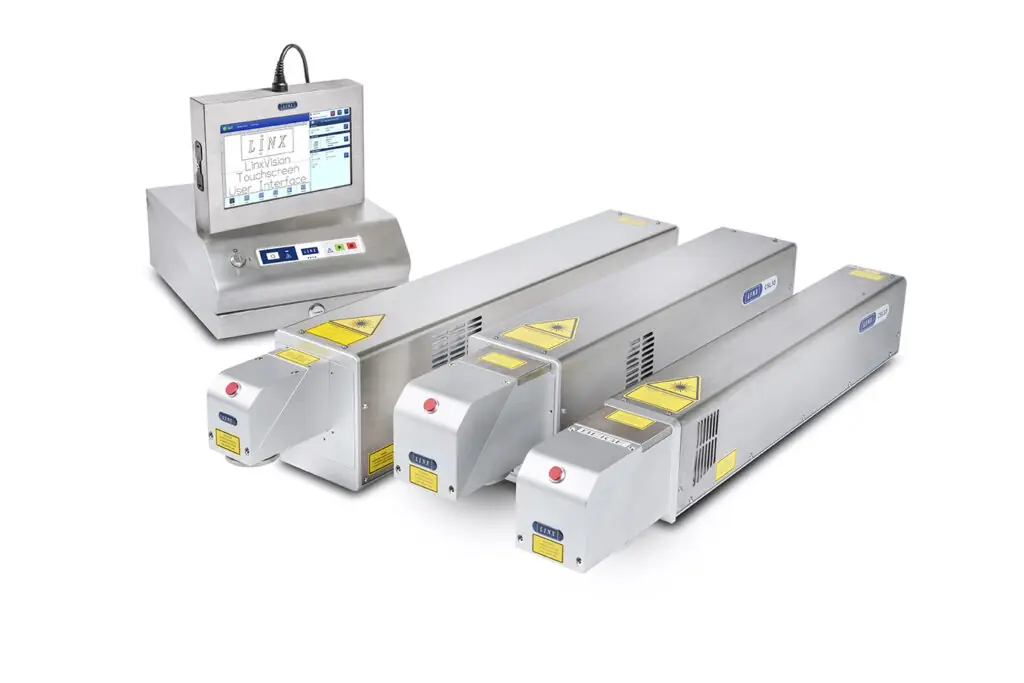
Linx CSL laser machines give you fast, flexible and accurate high-speed marking for a variety of materials and applications. With their high…
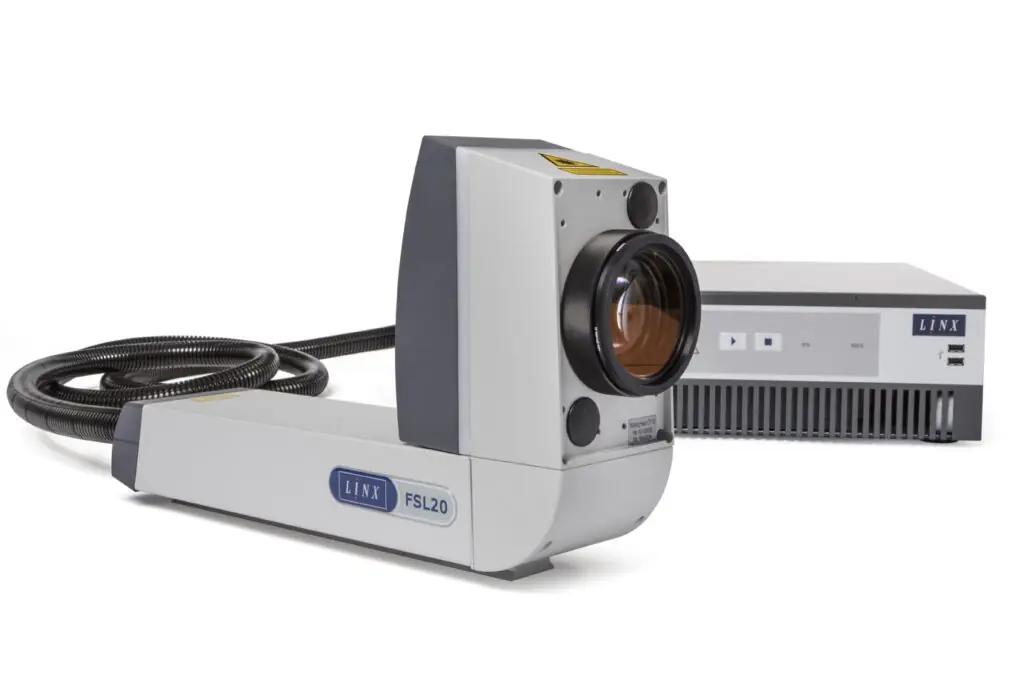
Linx FSL20 and FSL50 fiber lasers provide precision marking for complete traceability. Permanently mark a variety of materials including metal, rubber,…
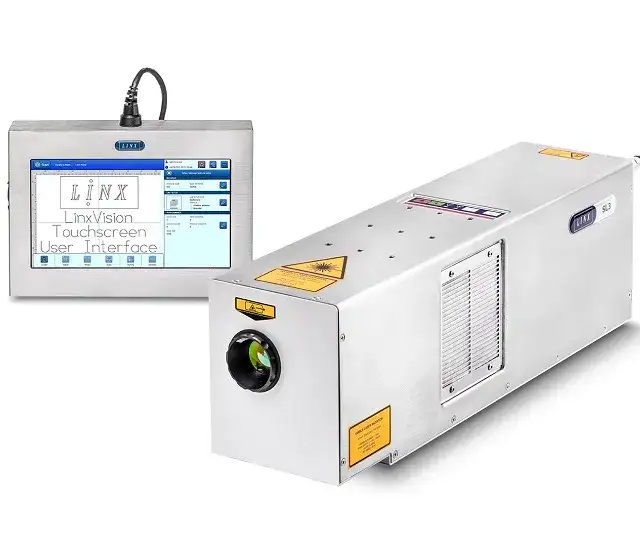
Robust, affordable, easy to install and use. With an IP54-rated housing and proven laser technology, the Linx Laser Sl3 is suitable…
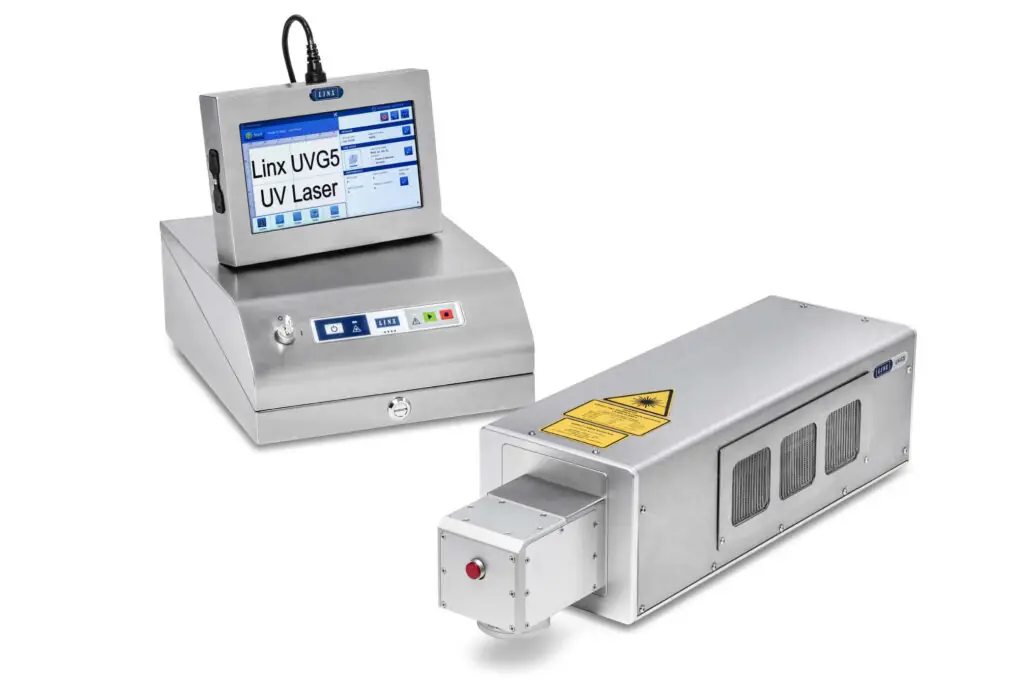
The Linx UVG5 is a high-performance UV laser that delivers fast, permanent marking on even the most challenging materials such as thin…
Three techniques are mainly used for labeling on plastic bottles (PET):
Inkjet (CIJ)
Inkjet marking is the most widely used solution for PET bottles because it is fast, flexible and cost-effective. It can print directly onto the curved surfaces of the bottle and can handle very high line speeds. Using inks developed for plastics ensures that the marking adheres and remains clear even on cold bottles with condensation. CIJ is therefore the natural choice for large production lines that require high availability.
Laser marking
Laser is a permanent and non-contact method that provides sharp, durable marking on PET bottles. The marking cannot be worn away or erased, making it particularly useful for products with a long shelf life or export requirements. Since the technology does not require ink or solvent, it requires less maintenance and is more environmentally friendly. However, for PET materials, the right laser type and power must be used to avoid damage to the bottle – something we help our customers optimize.
Labelling
Labels are ideal when the bottle should carry both brand design and product information. They can cover the entire bottle (wrap-around), parts of it or be combined with print & apply systems that print and apply labels with variable information such as barcodes or batch numbers. With the right material and adhesive, labels can also remain on PET bottles that are exposed to cold, moisture and handling in tough distribution chains.
Our recommendation:
For marking plastic bottles (PET) with batch numbers and best-before dates, ink marking is often the most efficient and flexible solution at high speeds. For customers who want permanent marking with minimal operation and no consumables, laser is a strong alternative. Labeling is the right choice when design, brand identity and more comprehensive information are to be combined with traceability.
With the right technology and customized solutions, we at Logimark ensure that the labeling on PET bottles is always clear, durable and integrated into your production – even in the most demanding environments.

Do you want to see how the machine works in your production on your material or product? Book a free Demo We will be happy to show you the machine (or similar machine) in operation and how we can tailor the solution based on your needs.
Fill out the form and we will contact you!
You can also call us directly at + 4610-444 1600.