Date Marking: Why is it so important?

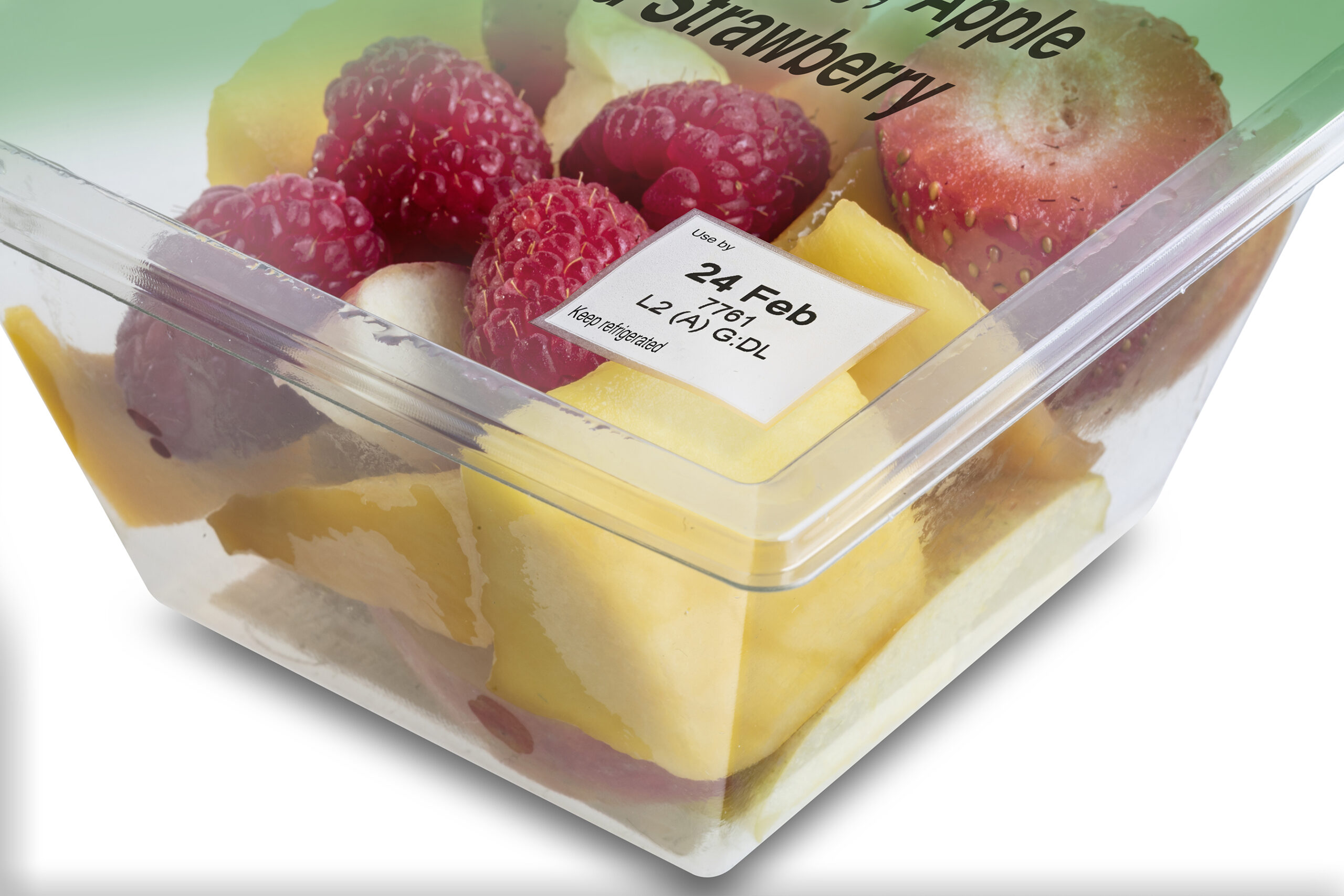
Table of Contents
In the manufacturing industry, there are details that are so obvious that they are often forgotten – until they don't work... Date marking is one such detail. The little row of numbers that tells but when, ford and why – but who in fact carries the entire production, traceability and quality assurance on their shoulders.
At Logimark, we meet companies from different industries every day that need this type of marking – but with completely different conditions. Here we share our knowledge and experience about why date marking is so important, how the technology works and what you should consider to future-proof your production.
So what does date marking actually mean, and why is it so important in the manufacturing industry?
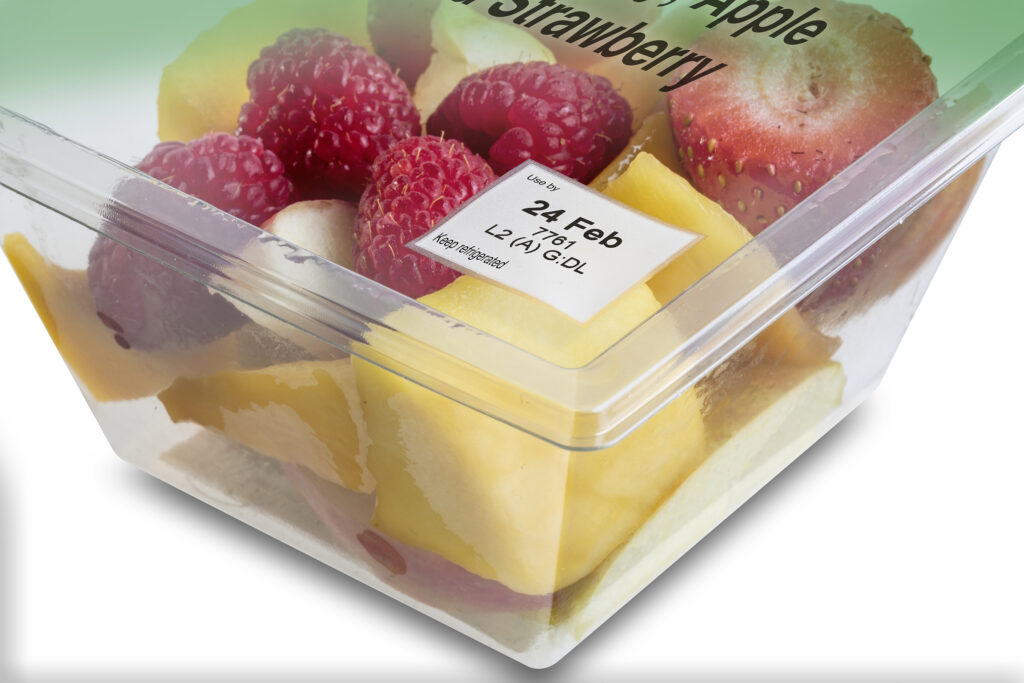
Date marking, sometimes called date stamping, means marking a product with information such as production date, best before date or batch numberIt can also include internal codes, line numbers or serial numbers to enable multi-step traceability.
In some cases it is obvious – for example within the food industry, where date marking is not just about quality, but about consumer safety. Incorrect or missing labelling can, in the worst case, lead to a dangerous product ending up on the store shelf. Food can become directly dangerous if it gets old, most people know. What about medicines? Within drug It is often a question of efficacy, dosage and use – and here too, correct date marking is crucial. Therefore, clear and reliable date marking is not only a practical issue, but a question of safety and responsibility.
But the need doesn't end there. Cosmetics, chemical products, building materials, packaging industry and e-commerce – all industries that handle goods with durability, traceability or batch management today have a clear need to label their products with information that lasts all the way to the end customer.


Three levels of labelling – three different needs
There are several ways to apply date marking to a product – and the choice of technology is often dictated by production rate, material, environment and economic conditions. Most of the products we work with pass least three labelling steps:
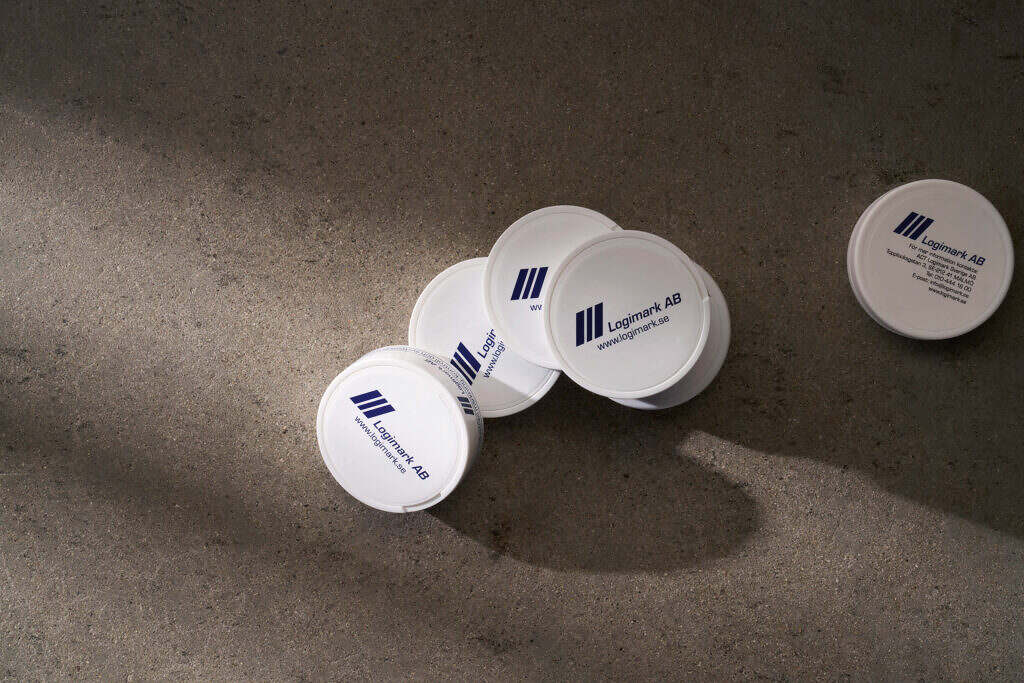
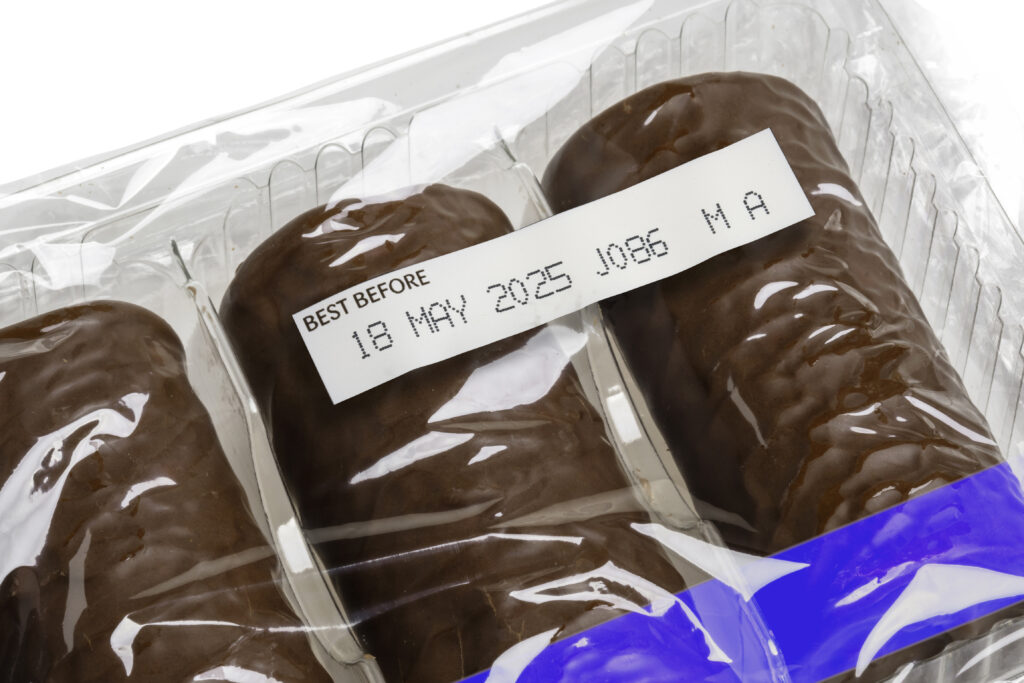
- Product labelling – e.g. a container, jar, bottle or package that is directly marked with the date.
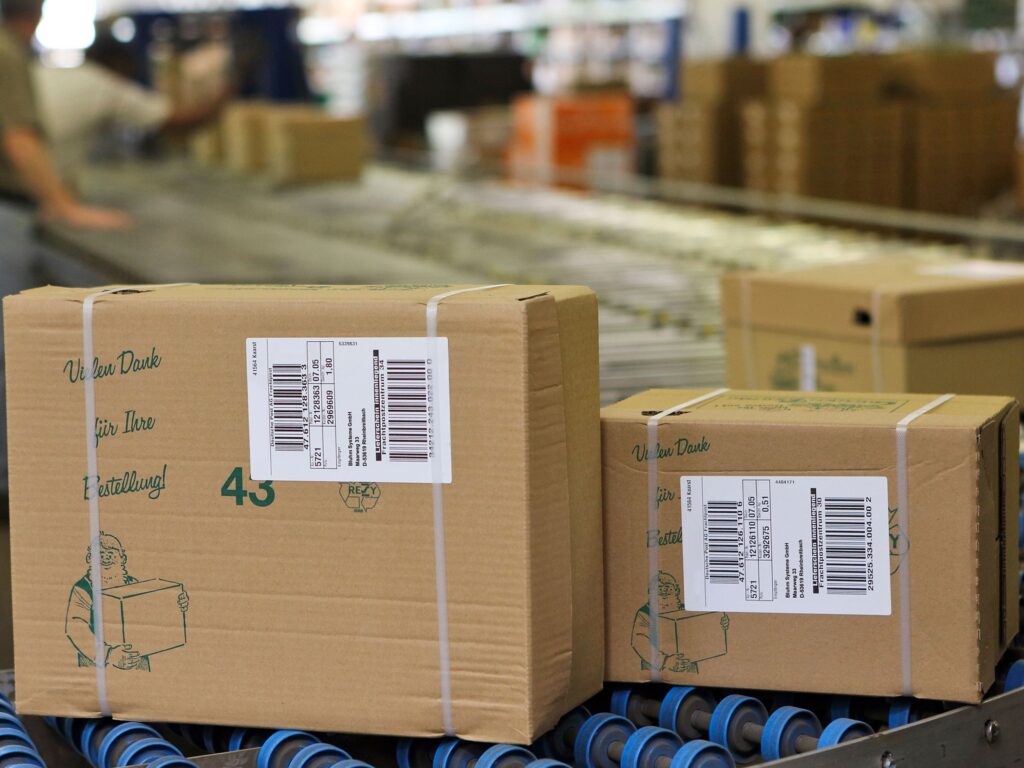
- Packaging labelling – when several products are packaged together in a tray or carton.
- Pallet marking – where information about the entire batch is marked for logistics and inventory tracking.
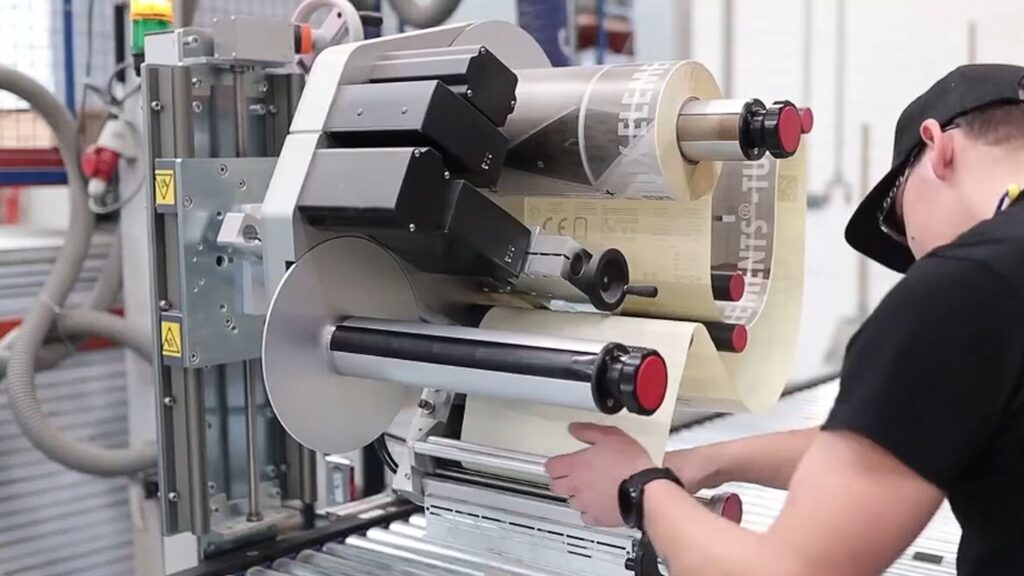
Each step may require different techniques depending on material, form, speed, content and processAnd it is precisely the combination of techniques – where perhaps a glass bottle is marked with ink, the carton with large print, and the pallet with a label – that makes comprehensive solutions so important.
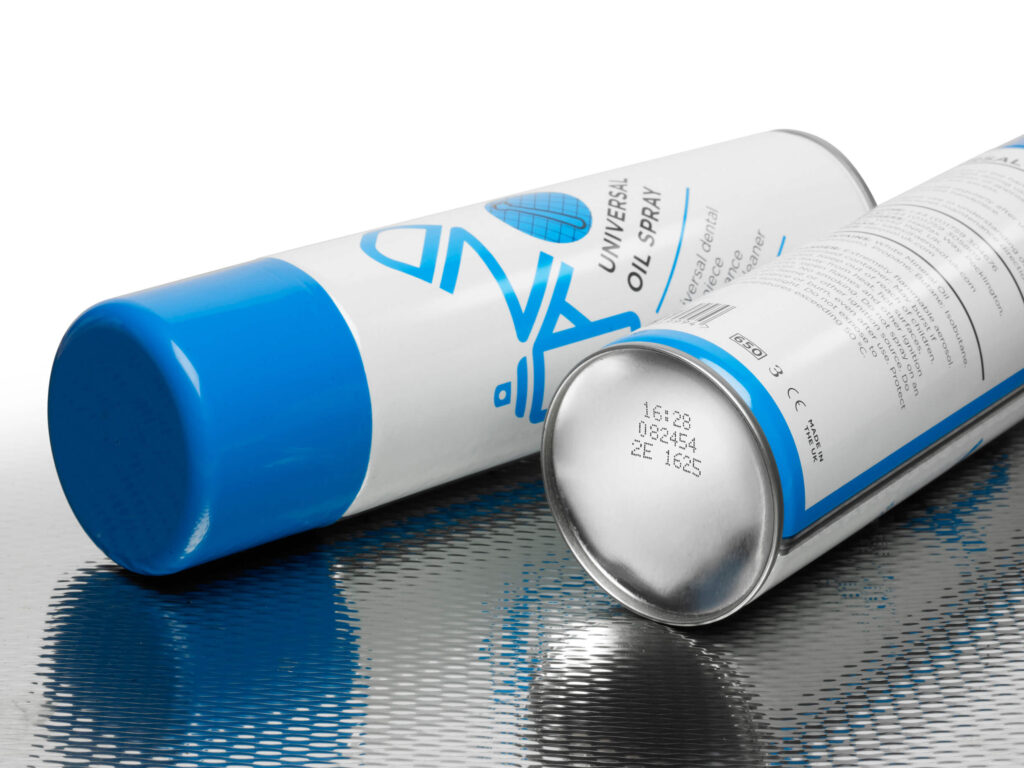
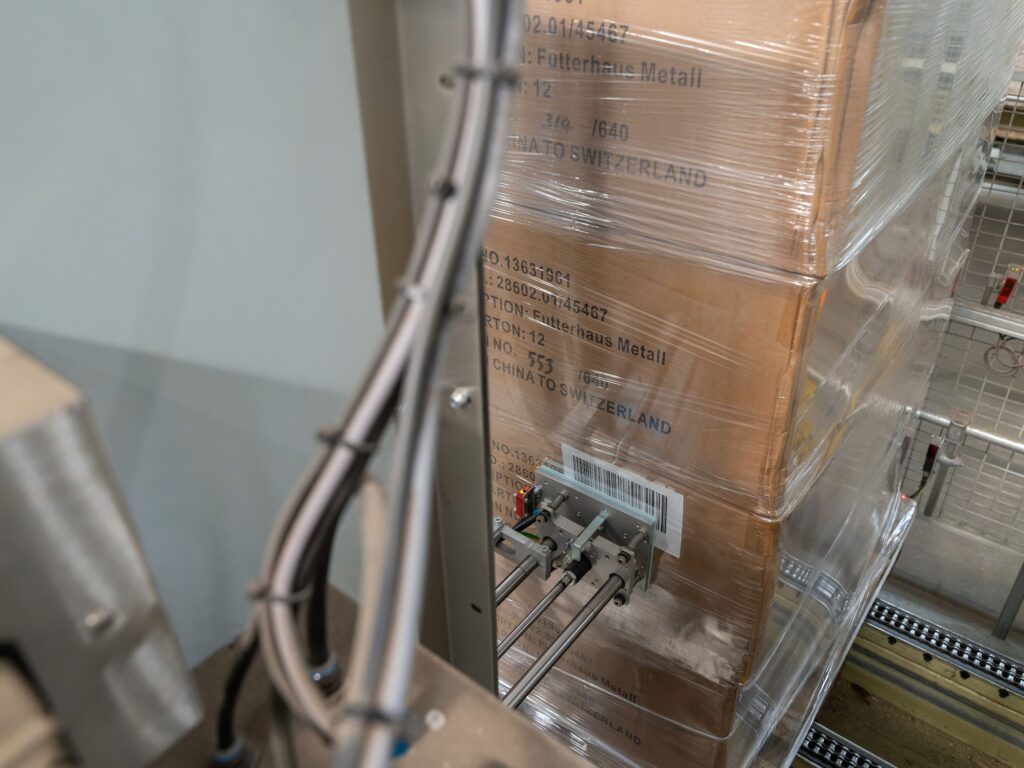
The most common technology we use is Continuous Inkjet (CIJ) – a reliable and flexible solution that can handle high speeds and different substrates. The technology is over 40 years old but has been refined over time and is still the first choice in many lines. Advantages of ink:
- Cost-effective in operation
- Fast and flexible
- Proven and reliable
Laser is another option, especially for those who want a labelling solution without consumables. It is cost-effective to operate, but may be limited in speed and material adaptation. “Laser is fast – but ink is actually even faster in some cases”, explains the service manager, and gives examples from breweries where ink is used on aluminum cans to keep up with the pace. Advantages of laser:
- No ink costs – low running costs
- High precision
- Permanent marking
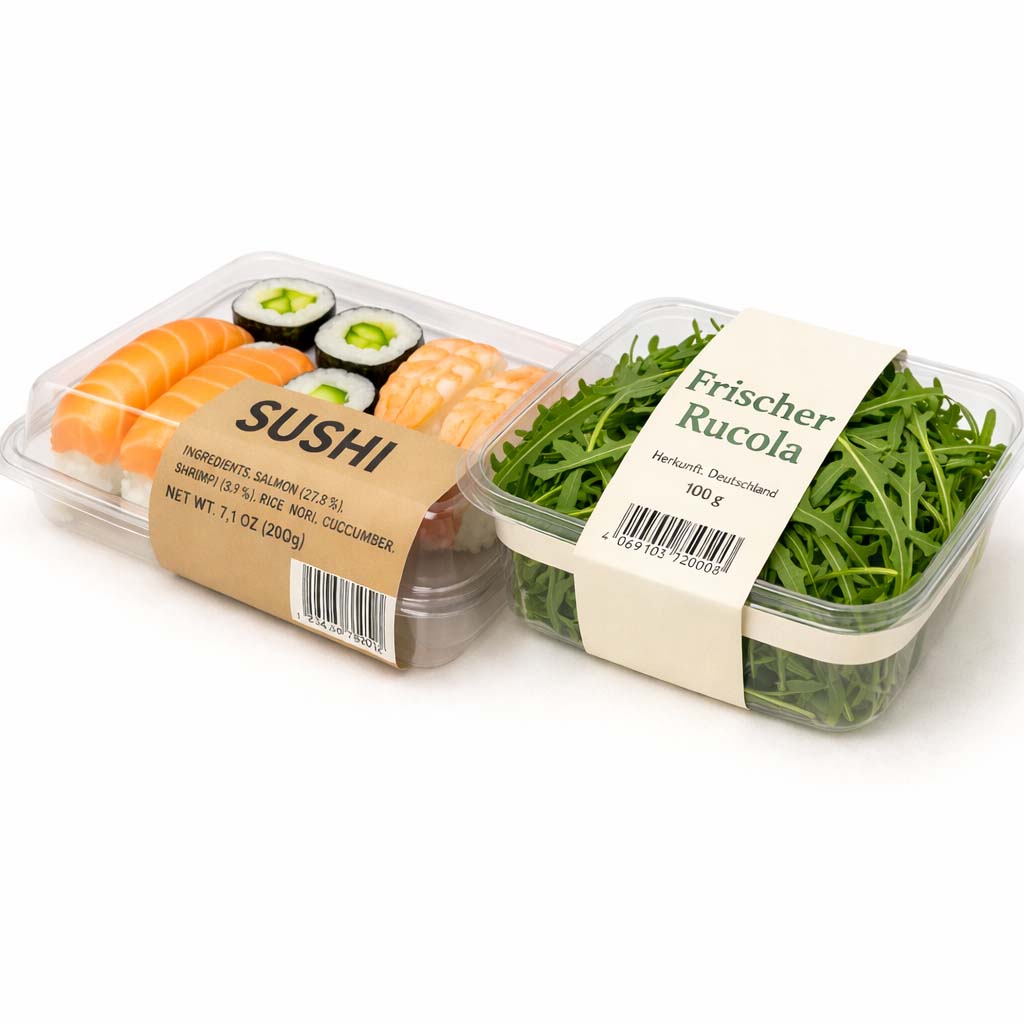
Labelling is also common. Combinations of pre-printed labels and variable data are often used here, where the date marking or batch number is added in the final step. Labels are mainly used on:
- Where you want a combination of pre-printed information + date marking
- Cartons and pallets
- Products with round or sensitive surfaces
Regardless of technology, it's always about finding the right solution for the right need – and that's where our experience and broad product portfolio come in.
When is which technology best suited?
The choice between ink, laser and label is always a balance between economy, speed, durability and appearance. A label may be perceived as the “nicest”, but quickly becomes expensive in large volumes. Laser is cheap to operate but can have limitations in material adaptation and speed. Ink often works universally – but requires the right ink type depending on the material, environment and temperature.
That's why we always work closely with our customers to:
- Test labelling on current material
- Optimize ink type and drying time
- Analyze production environment and conditions
For example, different solutions may be required for summer and winter, as some premises have large temperature differences. Humidity, condensation or static electricity also affect how the marking behaves.
How does date marking work in practice?
Date marking can be done in several ways:
- Manual setting: The operator enters the current date at the start of the shift.
- Automatic date shift: The machine automatically adds +1 day after midnight.
- Integrated system solution: Labelling is controlled by business systems or production data in real time – sometimes with unique codes for each individual product.
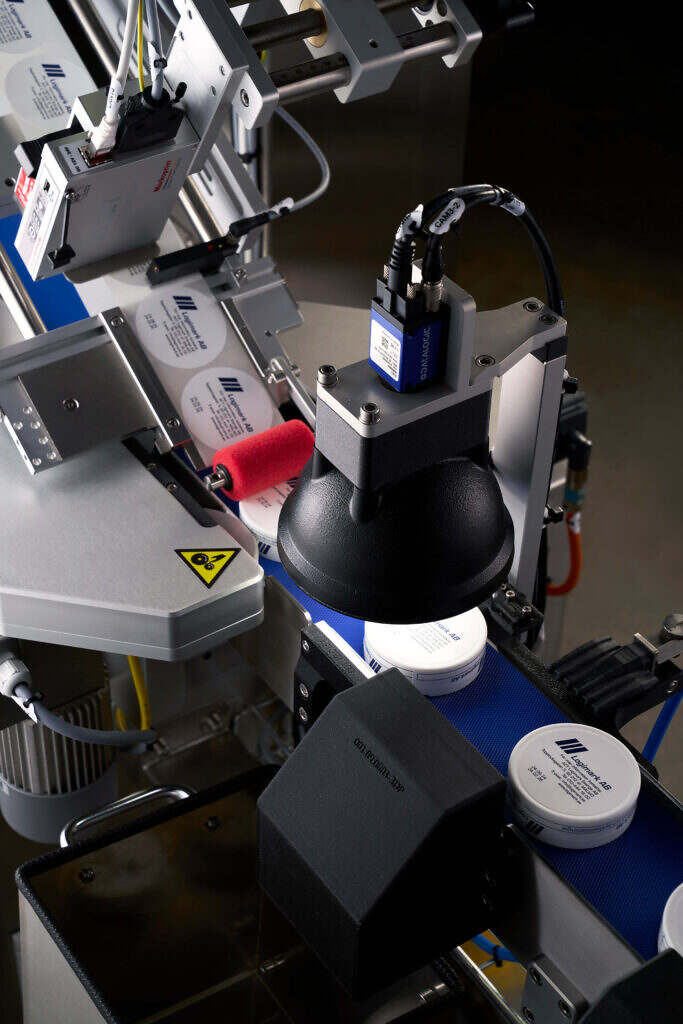
In advanced systems this is done using software, PLC integration or vision system which ensures that each product is correctly labeled before it leaves the line.
How do you ensure that the label is visible – and lasts?
For date marking to fulfill its function, it needs:
- Clearly visible
- Sit in the right place
- Last throughout the product's life cycle
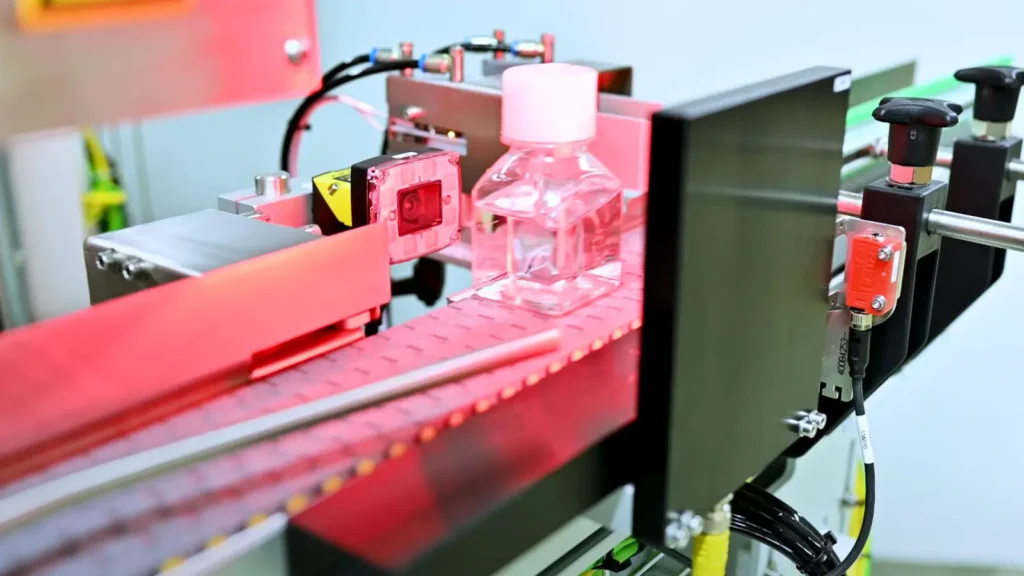
This is often ensured by camera systems and vision solutions, which verifies that the date is correct, legible, and correctly placed. Samples and quality checks are important. Packaging materials can change – and then the adhesion of the laser beam, ink or label can be affected.
Automation, connectivity and future-proofing
Correct date marking also provides traceability back in the chainIf a label fails, it does not necessarily mean that the product is wrong – but it can still be sorted out for further inspection, instead of being discarded. This way, waste is minimized.
We have examples from the snus and beverage industry where the product is reused if the labelling is rejected, instead of being thrown away.
We also see a clear trend towards increased automation and traceabilityDate marking is no longer done manually, but is controlled by systems that either calculate automatically (e.g. “add a day every time the clock strikes 00:00”) or receive data directly from a business system.
It enables unique marking in real time, where each product receives its own information in a fast flow – perfectly integrated into a modern production line.
And this is where Logimark makes a difference. With everything from software integration to vision systems and advanced marking equipment, we make sure your marking works.
Challenges we see with customers
- Old printers that no longer perform on top
- New packaging material that the labelling technology does not adhere to
- Speed increases that old systems can't keep up with
- Condensation or temperature changes in the production premises
- Scaling up from manual to automated labelling
All of this requires flexibility, expertise – and the right technology. Many of our customers start small, such as microbreweries or craft producers. Over time, the need grows – and then it is important to have a partner who can keep up with your pace.
What is in demand today – and what does the future look like?
The big trend? Sustainability, traceability and cost-effectiveness.
Customers want:
- Lower operating cost
- Fewer consumables
- Eco-friendly inks and labels
- Simple, powerful systems
We also see that the technology has not changed radically in recent years – but that it has been refined. Printers are becoming smaller, faster and more accurate. Features such as prompt variables, automatic date shifts, unique labelling per product and integration with business systems has become more common – especially in e-commerce and logistics.
How Logimark stands out
Technology is everything – but it is the people behind the technology that makes a difference.
There are many suppliers of marking equipment on the market. There are Logimarks whole, and perhaps above all our Customer service, which stands out.
“What sets us apart is not always the marking equipment. It is our service, our commitment and our availability that make the difference. Our response time and service spirit are what keep customers coming back. We hear that often – and we are proud of it.”
We offer all types of date marking technology under the same roof – inkjet printer, labelling, laser, uppercase and lowercase letters, as well as complete system solutions including camera systems for verification. This means you can turn to one and the same partner regardless of what type of marking you need.
Date marking may not be the most glamorous part of the production flow – but it is crucial for both safety, quality and traceabilityAnd when it works properly, it's barely noticeable.
But when it do not works, it is noticeable everywhere.
Do you want to ensure that your date marking is future-proof, reliable and tailored to your specific needs?
Then we are here. With a commitment you can trust.